
Views: 0 Author: Site Editor Publish Time: 2026-01-21 Origin: Site


Have you ever wondered how plastic bottles, containers, and tanks are made? The process of blow molding is behind the creation of many everyday plastic products.
In this article, we will explore the blow molding machine—how it works, the types of machines, and why it is so popular in manufacturing.
Blow molding is a process used to create hollow plastic products. The process starts with heating thermoplastic material until it is soft and moldable. Once the plastic reaches the correct temperature, it is formed into a parison – a hollow tube-like shape that is ready to be inflated. The parison is placed into a mold, and then compressed air is blown into it, causing it to expand and fit the mold's shape. After the plastic cools and hardens, the mold opens and the finished product is ejected.
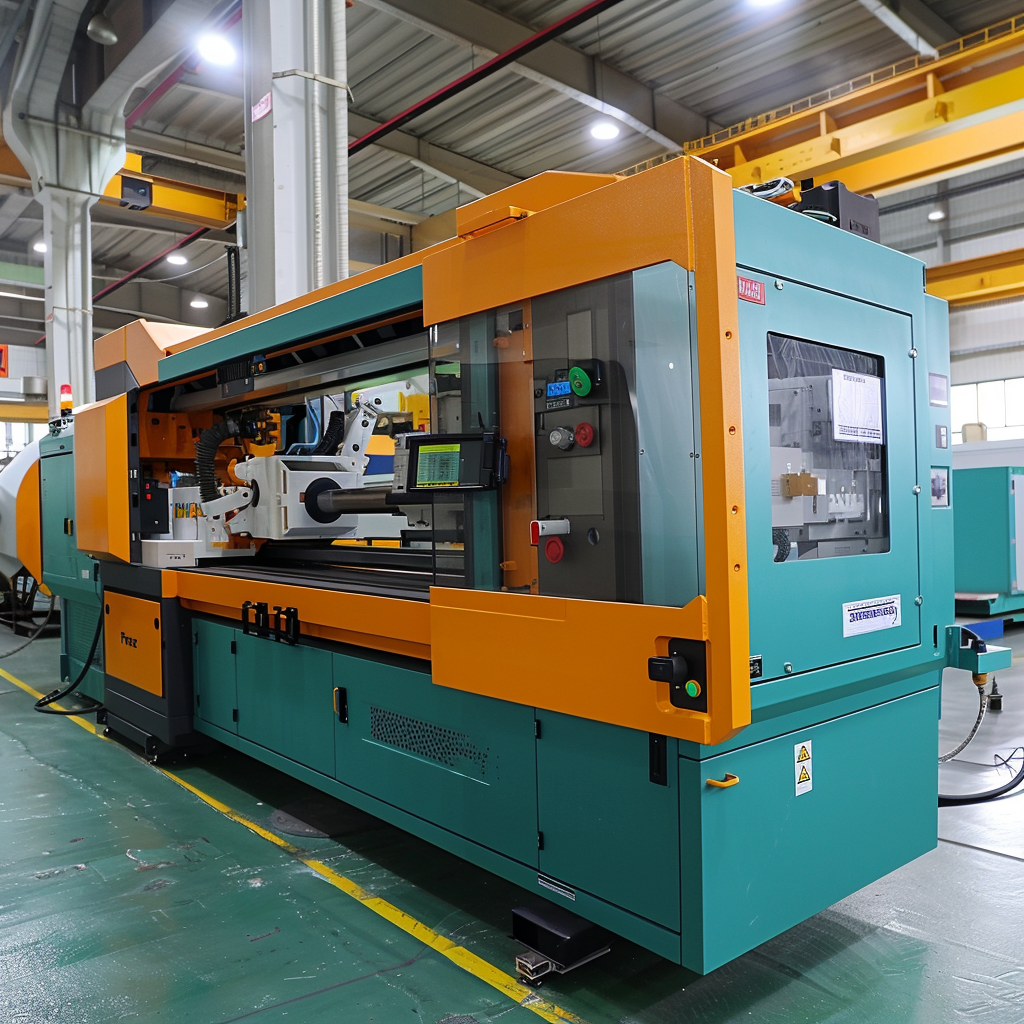
● Step-by-step process:
○ Heat the plastic.
○ Form the parison.
○ Inflate the parison into the mold using air.
○ Cool the product and eject it from the mold.
This process allows for the mass production of hollow plastic containers like bottles, tanks, and toys. The use of air pressure ensures that the product takes the shape of the mold efficiently, reducing waste and allowing for consistent product quality.
Blow molding machines come with several key components that ensure the process runs smoothly:
● Parison: The initial tube of heated plastic material that will be inflated to form the final product.
● Mold: The cavity into which the parison is inflated, defining the shape of the finished item.
● Air pressure system: The system that blows compressed air into the parison, causing it to expand and fit the mold.
● Cooling mechanism: Cooling is essential to solidify the plastic and retain its shape after inflation.
Huili Machinery offers blow molding machines equipped with advanced automation systems, which ensure high productivity, reduced downtime, and consistent quality. Their energy-efficient systems not only lower operational costs but also reduce environmental impact, making them a cost-effective solution for industries requiring high-volume plastic production.
Blow molding technology has been around for decades, initially used to produce low-density polyethylene (LDPE) vials. As industries evolved and the demand for more durable plastic products grew, blow molding machines were adapted and improved. The introduction of high-density polyethylene (HDPE) allowed for the production of larger, more robust products.
The process has continued to evolve, with modern machines incorporating advanced control systems, servo-driven motors, and robotic handling. These innovations have enabled blow molding to be used in a wide range of industries, including packaging, automotive, medical, and consumer goods.
Blow Molding Type | Key Features | Applications |
Extrusion Blow Molding | Continuous extrusion of parison, inflation in mold | Bottles, containers, and jugs |
Injection Blow Molding | Preformed plastic shape injected into mold, air blown | Small containers like medical vials |
Injection Stretch Blow Molding | Stretching the plastic before inflation for strength | Carbonated drink bottles, cosmetic packaging |
Over time, Huili Machinery has played a pivotal role in advancing blow molding machine technology, improving productivity, precision, and energy efficiency to meet modern manufacturing demands.
Extrusion blow molding is one of the most commonly used methods for producing hollow plastic items. The process starts with plastic extrusion – molten plastic is pushed through a die to form a tube-like shape called a parison. The parison is then placed into a mold, and compressed air is blown inside, inflating the plastic to fit the shape of the mold. After inflation, the mold is cooled, and the product is ejected.
This method is especially suitable for making larger containers and products like bottles, jugs, and drums. It is highly efficient for mass production and offers flexibility in terms of the product's size and shape. Huili offers extrusion blow molding machines that can handle a wide range of products, from small bottles to large industrial drums.
● Key Benefits:
○ High efficiency for large-scale production.
○ Suitable for a variety of container sizes.
○ Flexible design options for simple and complex shapes.
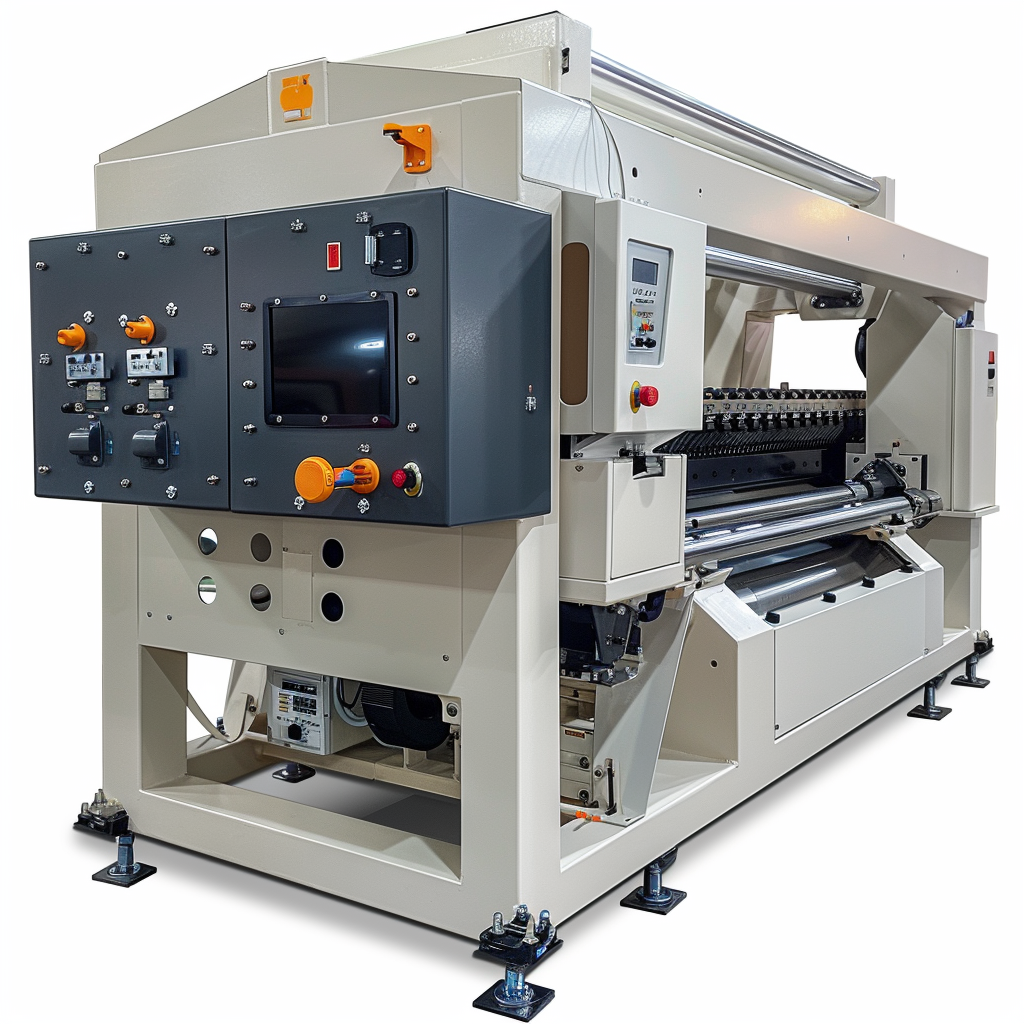
Injection blow molding combines injection molding and blow molding techniques to create precise, small hollow plastic containers. The process starts with injection molding, where plastic is injected into a mold to form a preform. This preform is then transferred to a blow mold, where compressed air inflates it to the desired shape.
This method is particularly useful for producing small, high-precision containers, such as medical vials, cosmetic bottles, and pharmaceutical packaging. The ability to form intricate shapes with high accuracy makes it ideal for applications requiring precision. Huili's injection blow molding machines are tailored for such applications, providing a high level of control over the product's dimensions and material consistency.
● Key Applications:
○ Small containers like medical vials.
○ Bottles for cosmetics and pharmaceuticals.
○ High-precision containers for various industries.
Injection stretch blow molding combines the best of injection molding and blow molding, but with an added step: the plastic is stretched before being inflated. This additional stretching improves the product’s strength, clarity, and durability, making it ideal for bottles that need to withstand pressure, like carbonated beverage bottles.
The process begins with an injection molding step, where the plastic is formed into a preform. The preform is then stretched both axially and radially before being inflated into the final shape in the blow mold. The result is a stronger product with excellent clarity and resistance to pressure changes. Huili offers injection stretch blow molding machines specifically designed for the production of PET bottles, commonly used in the beverage industry.
● Key Benefits:
○ Enhanced strength and durability of the product.
○ Excellent clarity and visual appeal.
○ Suitable for carbonated drink bottles and other high-pressure containers.
Blow Molding Type | Main Features | Applications |
Extrusion Blow Molding | Continuous extrusion of parison, inflation in mold | Bottles, jugs, drums, containers |
Injection Blow Molding | Preform injection followed by inflation | Small containers, medical vials, cosmetics bottles |
Injection Stretch Blow Molding | Stretching preform before inflation for strength | Beverage bottles, PET packaging |
Blow molding relies on various thermoplastics that offer different properties suited for specific applications. Some of the most commonly used plastics in blow molding include:
● HDPE (High-Density Polyethylene): Known for its strength and chemical resistance, HDPE is ideal for containers such as detergent bottles, milk jugs, and fuel tanks. It’s widely used in industries that require durable, impact-resistant products.
● LDPE (Low-Density Polyethylene): This plastic is flexible, transparent, and often used for food packaging and plastic bags. Its ease of processing makes it a versatile option for a range of applications.
● PET (Polyethylene Terephthalate): PET is a clear, strong, and lightweight material commonly used for beverage bottles and cosmetic packaging. It’s especially valued for its ability to withstand the pressure of carbonated drinks.
● PP (Polypropylene): This plastic is heat-resistant, rigid, and used in items like automotive parts and medical containers. Its resistance to heat makes it suitable for products exposed to high temperatures.
● PVC (Polyvinyl Chloride): PVC is transparent, chemically resistant, and widely used in applications such as pipes, industrial containers, and toys. It offers versatility in various environmental conditions.
Huili's blow molding machines are compatible with these materials and more, providing manufacturers with the flexibility to produce a variety of plastic products. Whether it’s HDPE for sturdy containers or PET for clear beverage bottles, Huili machines ensure efficient production with consistent results.
● Material Advantages:
○ HDPE: Strong and durable for industrial use.
○ LDPE: Flexible and ideal for transparent products.
○ PET: Clear and pressure-resistant, perfect for beverage packaging.
○ PP: Heat-resistant and used for medical and automotive components.
○ PVC: Chemically resistant and widely used in industrial applications.
Choosing the right material for blow molding is critical to achieving the desired performance, durability, and aesthetic of the final product. Here’s how to select the appropriate material based on key factors:
● Functionality: Consider the product’s intended use. For instance, PET is ideal for beverage bottles due to its high clarity and resistance to pressure, while HDPE is better suited for industrial containers that require strength and durability.
● Durability: If the product needs to withstand heavy use or exposure to harsh chemicals, materials like HDPE or PVC offer the necessary strength and chemical resistance.
● Environmental Conditions: Products exposed to heat or cold require materials like PP that can handle temperature extremes. On the other hand, products that require flexibility, such as plastic bags, can be made from LDPE.
Huili Machinery provides blow molding solutions that can handle a wide variety of materials, ensuring that manufacturers can meet the specific needs of their products while achieving high-quality results:.
Material | Key Features | Typical Applications |
HDPE | Strong, chemical-resistant | Industrial containers, milk jugs, fuel tanks |
LDPE | Flexible, transparent | Food packaging, plastic bags |
PET | Clear, strong, lightweight | Beverage bottles, cosmetic packaging |
PP | Heat-resistant, rigid | Automotive parts, medical containers |
PVC | Transparent, chemically resistant | Industrial containers, pipes, toys |
Blow molding is highly suitable for large-scale production due to its cost-effectiveness and ability to minimize material waste. The process allows manufacturers to create large volumes of products quickly, which helps in reducing production costs. As the molten plastic is inflated into molds, the process ensures maximum utilization of the material, leaving little to no waste behind.
Huili Machinery ensures that their blow molding machines are optimized for low-energy consumption and quick cycle times, making it an excellent choice for industries that require high-volume production at a lower operational cost. With advanced automation and energy-efficient designs, Huili's machines help businesses save on both energy and production costs, leading to a higher return on investment over time.
● Benefits of Blow Molding in Terms of Cost and Efficiency:
○ Ideal for large-volume production, which reduces per-unit cost.
○ Low material waste, maximizing the efficiency of raw materials.
○ Energy-efficient machinery that reduces long-term operational costs.
Machine Type | Cost-Effectiveness Features | Typical Applications |
Extrusion Blow Molding | High-speed production, reduced material waste | Bottles, containers, and drums |
Injection Blow Molding | Precision and minimal material wastage | Small containers, medical vials |
Injection Stretch Blow Molding | Increased strength with energy efficiency | Carbonated beverage bottles, cosmetic jars |
One of the standout features of blow molding is the design flexibility it offers. Unlike other molding methods, blow molding allows for the creation of complex shapes and detailed features, such as handles, indentations, and even multi-layered structures. Manufacturers can create products that are both functional and visually appealing, without the need for additional assembly.
Huili’s blow molding machines come equipped with advanced control systems that ensure high design flexibility. These systems allow for precise control over the mold’s temperature, air pressure, and mold closure, ensuring that each product matches the exact specifications. Whether it's a simple bottle or a customized container with intricate details, Huili’s machines can accommodate various design needs, making them ideal for industries that demand unique and tailored products:.
● Design Features Offered by Blow Molding:
○ Handles and custom shapes molded directly into the product.
○ Ability to produce multi-layered products for enhanced strength or insulation.
○ Precision control over the product’s features for exact fit and finish.
Design Feature | Benefit | Application |
Handles | Provides better functionality and ease of use | Beverage bottles, jars, household products |
Intricate Indentations | Adds visual appeal and custom shapes | Cosmetic packaging, toys |
Multi-layered Structures | Enhanced strength and barrier properties | Food packaging, industrial containers |
One of the most significant advantages of blow molding is the ability to produce seamless plastic products. This means that the final product is created as a single, hollow piece without the need for additional assembly. This seamless structure makes blow-molded products more durable and reduces the risk of defects.
Whether it's a simple bottle, a storage container, or a large tank, blow molding creates products that are lightweight and strong. Huili’s blow molding machines are designed to manufacture a wide variety of seamless hollow products, including plastic bottles, industrial containers, and fuel tanks. The machines' precision and flexibility ensure that each product is formed with the correct dimensions and shape, ready for use without the need for post-production adjustments.
● Advantages of Seamless, Hollow Products:
○ No assembly required, saving time and labor costs.
○ Strength and durability due to the seamless structure.
○ Lightweight compared to solid plastic products, reducing shipping and storage costs.
Product Type | Key Benefit | Example Applications |
Bottles | Lightweight, easy to handle | Soft drink bottles, household products |
Storage Containers | Seamless and strong | Industrial storage, packaging solutions |
Tanks and Large Containers | High durability for heavy-duty applications | Fuel tanks, chemical drums |
Blow molding machines are essential in manufacturing hollow plastic products. They create durable, cost-effective items such as bottles, containers, and tanks. Huili Machinery offers advanced blow molding machines optimized for efficiency, energy savings, and precise production. Their machines are highly customizable, providing value across various industries like packaging, medical, and automotive.
A: A blow molding machine is used to create hollow plastic products by inflating a heated plastic tube inside a mold.
A: The machine forms a parison, inflates it with air, and shapes it inside a mold to create the desired product.
A: Blow molding machines are efficient, cost-effective, and allow for the production of complex, custom shapes.
A: Blow molding machines are compatible with materials like HDPE, PET, PVC, and PP, each offering different benefits based on the application.
A: Huili Machinery provides high-performance machines with low energy consumption, customizable designs, and excellent after-sales support for a wide range of industries.


