
Views: 0 Author: Site Editor Publish Time: 2026-01-28 Origin: Site


Are you curious about how hollow plastic products like bottles and containers are made? The extrusion blow molding process uses a blow molding machine to create high-quality, durable products. In this article, we will discuss the key steps in this process, including how molten plastic is shaped into finished items.
Extrusion Blow Molding (EBM) is a widely used plastic forming process that involves inflating a molten plastic tube, called a parison, inside a mold cavity to create hollow plastic products. It’s most commonly applied in manufacturing products like bottles, containers, and industrial parts. The process offers several advantages, including the ability to create complex shapes and high-volume production efficiency.
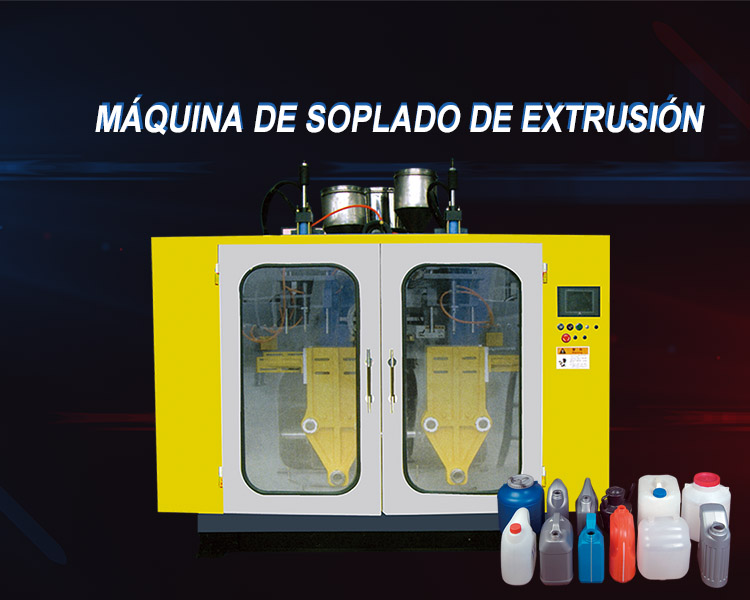
● High-Volume Production: EBM allows manufacturers to create large quantities of products at a low cost per unit. It’s particularly efficient for industries that require mass production, like the packaging sector.
● Uniform Wall Thickness: The process ensures that products have consistent material distribution, providing uniform wall thickness, which is crucial for product durability.
● Complex Geometries: Unlike other molding processes, extrusion blow molding can produce parts with complex shapes, such as intricate curves, ergonomic handles, or custom bottle designs.
● Versatility with Materials: EBM is suitable for a wide range of materials, such as HDPE (High-Density Polyethylene), PP (Polypropylene), and PVC (Polyvinyl Chloride), offering flexibility for different industry needs.
● Plastic Bottles: From single-use water bottles to larger containers for cleaning supplies, blow molding can produce bottles of all sizes, often used in the food, beverage, and consumer goods industries.
● Jerrycans & Containers: Used to store and transport liquids such as chemicals, oils, and detergents, jerrycans are a typical application of EBM.
● Plastic Drums: Larger industrial containers like 50-200L drums are made using extrusion blow molding, ideal for industries such as pharmaceuticals, chemicals, and food packaging.
● Industrial Parts: Components used in manufacturing machinery, automotive parts, and other heavy-duty applications.
The parison is a molten plastic tube created at the start of the extrusion blow molding process. It serves as the foundation for the final molded product. When plastic is heated to a specific temperature, it becomes malleable and forms the parison, which will later be expanded and shaped to form a hollow plastic part.
Huili Machinery's blow molding machines are designed to ensure precise and consistent extrusion of the parison. The technology used in their machines guarantees uniform thickness and shape, which are essential for producing high-quality, durable products. This precision in the extrusion phase sets the foundation for a smooth molding process and helps prevent defects that could affect the final product's performance.
Key benefits of well-controlled parison extrusion:
● Uniformity: Consistent thickness ensures uniform product quality.
● Precision: Exact parison formation reduces the risk of defects during molding.
● Efficiency: Optimized parison formation speeds up the entire process.
In the first step of the extrusion blow molding process, plastic pellets are fed into the extruder. The extruder heats and melts the plastic using a combination of friction and external heating elements. Once melted, the molten plastic is forced through a die head, which shapes the plastic into a continuous tube known as the parison.
Huili’s blow molding machines offer superior control over the extrusion process. The die head and extruder are engineered to handle a variety of materials such as HDPE (High-Density Polyethylene), PP (Polypropylene), and PVC (Polyvinyl Chloride). This control ensures optimal material distribution, preventing common issues like uneven wall thickness and air pockets, which could affect the integrity of the final product.
Component | Function |
Extruder | Melts plastic pellets and prepares them for extrusion. |
Die Head | Shapes the molten plastic into a consistent tube (parison). |
Heating System | Ensures that the plastic reaches the necessary temperature for molding. |
Huili Machinery’s machines feature advanced temperature control systems, which help maintain the optimal temperature for different types of plastic. This system reduces the chances of overheating or underheating the material, improving the overall efficiency of the extrusion process. With precise screw design and advanced heating zones, the extrusion machine ensures that the plastic is melted and shaped exactly as required for the subsequent molding steps.
The precision control provided by Huili’s blow molding machines ensures that the parison is consistent in size and shape throughout the extrusion process. This level of control is critical for ensuring that the final product, whether it’s a bottle, container, or industrial part, meets high-quality standards.
By adjusting settings such as extrusion speed, die head gap, and temperature control, Huili Machinery's machines allow manufacturers to produce parts with extremely uniform wall thickness and avoid material waste. This precision is particularly important in applications that require tight tolerances and complex geometries.
The parison is the key element in the extrusion blow molding process. It is a molten tube of plastic that is carefully formed to be ready for inflation. In this step, the die head and parison speed are adjusted to control the length and thickness of the parison. These adjustments are critical in ensuring that the parison meets the required specifications for the final product.
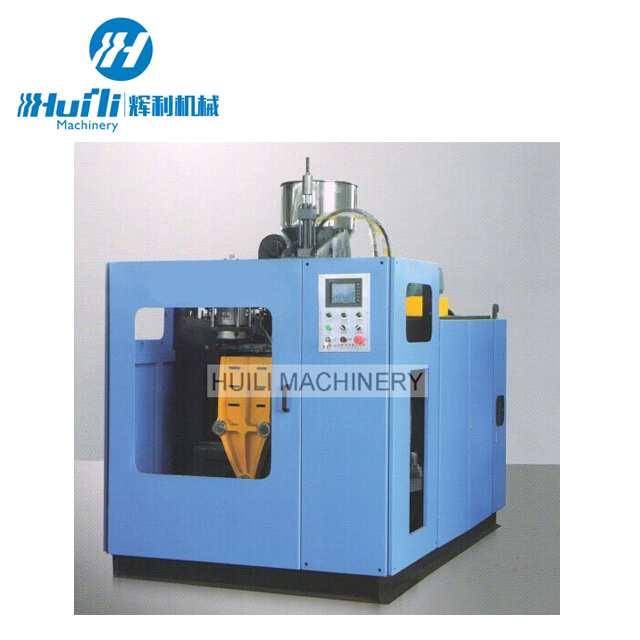
Huili Machinery’s precision control system plays an essential role in this step. The system helps to guarantee that the parison has consistent material distribution, which is vital for the product's overall strength and uniformity. When material is distributed unevenly, it can lead to weak points in the final product, compromising its quality and durability.
Key Benefits of Precise Parison Control:
● Uniform Wall Thickness: Ensures consistency in the final product's quality.
● Material Efficiency: Helps minimize waste by ensuring the optimal use of plastic material.
● Improved Durability: Reduces the risk of defects or weaknesses in the molded part.
Control Factor | Effect on Parison Formation |
Die Head Adjustments | Controls the parison’s diameter and wall thickness. |
Parison Speed | Affects the length and evenness of the parison. |
Material Distribution | Ensures the uniformity of material flow, crucial for product strength. |
Controlling the thickness of the parison is one of the most important aspects of extrusion blow molding. The parison’s thickness directly impacts the strength, flexibility, and material efficiency of the final product. By adjusting the parison thickness, manufacturers can achieve parts that are both lightweight and strong, with optimal performance for their intended applications.
● Strength and Durability: Uniform thickness contributes to the product's ability to withstand stress and pressure.
● Material Efficiency: By controlling thickness, excess material can be avoided, leading to cost savings.
● Surface Finish: Even thickness ensures that the product has a smooth, consistent surface, free from defects.
Once the parison is properly formed, the next step is inflation. In this phase, pressurized air is injected into the parison. This air causes the parison to expand, taking on the shape of the mold cavity. The inflation process is critical in achieving the correct dimensions and surface finish of the final product.
The mold’s design will dictate the final product’s shape and features. For example, a bottle mold will create a smooth, cylindrical container, while a jerrycan mold will form a more complex, multi-faceted shape. The ability to inflate the parison with precision ensures that the molded part conforms perfectly to the intended design.
Benefits of Proper Inflation:
● Consistent Wall Thickness: The air pressure helps achieve a uniform thickness throughout the product.
● Shape Precision: Ensures that the final product mirrors the mold exactly.
● Surface Finish: Proper inflation avoids defects such as air bubbles or wrinkles on the product’s surface.
The inflation pressure plays a crucial role in the overall success of the blow molding process. Huili’s blow molding machines are designed with adjustable air pressure, allowing manufacturers to control how the parison inflates. This flexibility ensures that the parison inflates evenly, resulting in products with consistent wall thickness and enhanced structural integrity.
Huili Machinery’s machines also feature advanced control systems to fine-tune inflation parameters, reducing the risk of defects like uneven inflation or over-expansion. Proper inflation is essential for achieving high-quality results, especially for products that require complex shapes or tight tolerances.
Key Advantages of Adjustable Inflation Pressure:
● Consistency: Ensures that each product meets strict quality standards.
● Customization: Allows adjustments for different mold shapes, materials, and product sizes.
● Improved Quality: Controls the parison's expansion, preventing defects and ensuring a high-quality finish.
After the parison has been inflated and molded, the next step in the extrusion blow molding process is cooling. This crucial phase ensures that the plastic solidifies and retains its shape before being removed from the mold. The cooling process is typically achieved using air or water circulation through channels within the mold, which helps transfer heat from the product to the surrounding environment.
The mold is specifically designed with cooling channels to facilitate efficient heat removal. Huili Machinery’s blow molding machines are equipped with advanced cooling systems that ensure uniform cooling across the entire product surface. This is particularly important for parts with intricate designs or varying wall thicknesses, as uneven cooling can cause warping or defects in the final product.
● Air Cooling: Uses air to circulate around the product, offering an efficient but slower cooling method.
● Water Cooling: More commonly used in high-volume production, water rapidly cools the product and is highly effective in molds with intricate or complex geometries.
● Combination Cooling: Some processes use a combination of both air and water to optimize cooling efficiency, depending on the material and mold design.
Cooling Method | Advantages | Best Suited For |
Air Cooling | Simple, energy-efficient | Products with less intricate designs |
Water Cooling | Rapid cooling, high efficiency | Complex parts, larger molds, high-volume production |
Combination | Balances the benefits of both methods | Molds with complex shapes or varying thicknesses |
Efficient cooling is not just about making sure the product solidifies. It’s also about optimizing the cooling time to ensure high efficiency while maintaining product quality. Huili’s blow molding machines are engineered to optimize cooling times, reducing the overall cycle time without compromising the final product’s strength or surface quality.
The cooling rate can be influenced by several factors:
● Material Type: Different materials have varying heat retention and conductivity properties, which affect how quickly they can be cooled.
● Wall Thickness: Thicker walls require longer cooling times to ensure even solidification.
● Mold Temperature: Maintaining the right mold temperature can enhance the cooling process and prevent defects like warping or uneven shrinkage.
Huili’s machines use advanced temperature control systems to monitor and adjust the cooling process automatically. This system ensures that every mold receives the right amount of cooling based on the material used, the complexity of the part, and the desired cycle time.
Cooling Factor | Impact on Cooling Time |
Material Properties | Some plastics cool faster than others. |
Part Design | Thicker parts take longer to cool. |
Mold Temperature | Maintaining optimal mold temperatures speeds up cooling. |
After the cooling and solidification process, the mold opens, and the finished product is ejected. This step marks the transition from the molding process to the final part ready for use or further processing. Huili’s blow molding machines are equipped with automated ejection mechanisms, which ensure the smooth and quick removal of parts from the mold. The automated system eliminates the need for manual labor, reducing cycle time and increasing overall production efficiency.
The ejection process is designed to prevent damage to the molded part, ensuring that the product comes out intact and ready for the next step. By using advanced ejection technology, Huili Machinery guarantees that products are removed quickly and with minimal risk of defects like warping or breakage.
Benefits of Automated Ejection:
● Reduced Cycle Time: Quick removal of parts speeds up production.
● Minimized Risk of Damage: Automated systems reduce human error and prevent part deformation.
● Consistency: Automated ejection ensures that every product is removed with the same precision, ensuring uniformity across the production run.
Once the part is ejected from the mold, the next crucial step is deflashing and trimming. Flash refers to the excess plastic that forms around the mold's pinch line, the seam where the two halves of the mold meet. This excess material needs to be removed to maintain the product’s appearance and functionality.
Flash removal can be done in two primary ways:
1. In-Machine Trimming: Some blow molding machines, including Huili’s models, are equipped with built-in trimming mechanisms that remove flash automatically.
2. Secondary Trimming: In cases where the flash is more extensive, parts are manually or automatically trimmed in a separate step.
Effective deflashing ensures that the finished product has a clean, smooth surface and meets quality control standards. Huili Machinery’s blow molding machines are designed to optimize this process, reducing waste and ensuring that excess material is removed quickly and precisely.
Importance of Deflashing:
● Product Quality: Ensures a smooth, high-quality surface for the final product.
● Cost-Effective: Reduces the amount of scrap and waste produced during the manufacturing process.
● Functionality: Prevents any excess material from interfering with the product’s fit, functionality, or appearance.
Deflashing Method | Advantages | Best Suited For |
In-Machine Trimming | Reduces labor costs and speeds up production. | High-volume production with minimal flash. |
Secondary Trimming | Allows for more detailed trimming when flash is extensive. | Products with intricate shapes or larger flash areas. |
The extrusion blow molding process involves extruding molten plastic into a parison, inflating it inside a mold, and then cooling it to solidify. This method is ideal for creating hollow plastic parts like bottles, containers, and industrial products. Huili Machinery's advanced blow molding machines offer precision in extrusion, inflation, and cooling, ensuring consistent quality and high-volume production efficiency.
A: Extrusion blow molding is a process where molten plastic is formed into a hollow tube (parison) and inflated to shape it inside a mold.
A: A blow molding machine melts plastic, forms it into a parison, then inflates the parison inside a mold to create hollow plastic products.
A: Extrusion blow molding offers high-volume production, uniform wall thickness, and the ability to create complex shapes with various plastic materials.
A: Huili Machinery offers advanced blow molding machines with precise control systems, ensuring high-quality products and efficient production.
A: Blow molding machines are used to produce items like plastic bottles, jerrycans, drums, and other hollow containers.


