
Views: 0 Author: Site Editor Publish Time: 2026-04-15 Origin: Site


Have you ever wondered how a single machine can create millions of identical, sturdy chairs? No modern home or office can truly function without these essential pieces of furniture.
Manufacturers rely on Injection Molding to meet this massive global demand efficiently. This guide explores how a high-performance machine transforms raw polymer into a finished, ergonomic chair. You will learn the technical steps behind this fascinating industrial process.
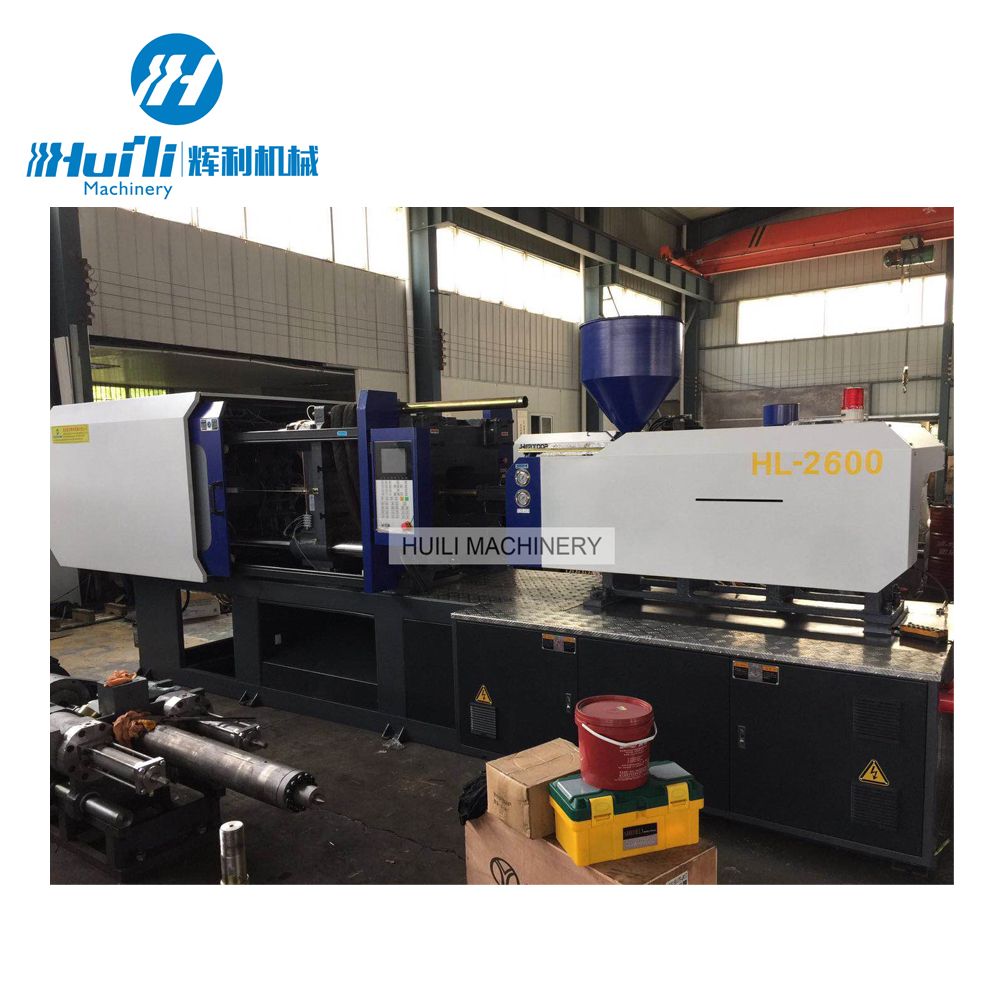
● Manufacturing Efficiency: Injection Molding is the premier method for chair production because it is extremely fast, with cycle times typically lasting only 15-20 seconds.
● Design Versatility: This process allows for complex designs and can produce millions of virtually identical parts with high precision and accuracy.
● Structural Strength: Designers use scientific rib and boss patterns within the mold to increase the chair's load-bearing capacity without adding unnecessary weight.
● Material Flexibility: Manufacturers can choose from a wide range of resins like polypropylene and incorporate various color systems or UV stabilizers to enhance durability.
● Cost and Labor Savings: Although initial tooling is expensive, the high output rate and automated nature of the Injection Molding machine keep labor costs low and profit margins high.
● Environmental Sustainability: Modern molding initiatives include effective recycling systems that regrind excess plastic to minimize waste and support green manufacturing.
Manufacturing a plastic chair is a precise, scientific process that transforms raw materials into a sturdy piece of furniture through several critical stages.
● Material Preparation and Melting: The journey begins with polymers, specifically polypropylene or polyethylene pellets. These are fed into the hopper of an Injection Molding machine. Inside a heated cylinder, a reciprocating screw rotates to melt the pellets into a consistent, molten state.
● High-Pressure Injection: Once the plastic is molten, the machine’s screw acts like a plunger, injecting the liquid material into a hollow metal mold under extremely high pressure. This pressure ensures the plastic reaches every corner of the chair's design, including complex legs and backrests.
● The Cooling Phase: After the mold is filled, it must cool down. This is a natural but controlled process where the liquid plastic solidifies into the final shape of the chair.
● Ejection and Finishing: Once solid, the mold opens, and the chair is ejected. Automated systems often handle this to prevent damage. Any excess material, known as "flash," is trimmed away to ensure a smooth finish.
● Quality Inspection: Every unit undergoes a rigorous check. Technicians look for consistent wall thickness, proper rib design, and overall structural integrity to meet international safety standards.
Note:The entire cycle from injection to ejection typically takes only 15 to 20 seconds, making it one of the fastest production methods available.
Choosing the correct machinery is the most important decision for a furniture manufacturer. Not all machines are built for the size and weight of a full-sized chair.
Feature | Requirement for Chair Manufacturing | Why it Matters |
Tonnage | High (500 to 2,000+ tons) | Needs immense clamping force to keep large molds closed during high-pressure injection. |
Shot Size | Large Capacity | The machine must be able to inject enough plastic in one "shot" to fill the entire chair mold completely. |
Automation | Fully Integrated | Reduces labor costs and ensures that every chair produced is virtually identical to the last. |
Large-scale furniture requires a heavy-duty Injection Molding machine. If the clamping force is too low, the mold might push open slightly, causing "flash" or structural weaknesses. Modern machines also focus on energy efficiency, using servo-motors to reduce electricity consumption during the cooling phase.
The mold, or matrix, is the heart of the production line. It determines the chair's comfort, strength, and aesthetic appeal.
● Material Matters (Steel vs. Aluminum): While aluminum is cheaper and cools faster, professional manufacturers prefer high-grade steel for chair molds. Steel stands up to the "stiff and fierce" competition by lasting for hundreds of thousands of cycles, offering better long-term value for money.
● Precision Engineering for Ergonomics: The mold must be designed with comfortable curves and stable leg structures. Engineers use CAD software to simulate how the plastic will flow, ensuring the chair supports the human body correctly.
● Gate and Vent Placement: Vents allow air to escape as plastic enters, while gates are the entry points for the molten resin. Poor placement can lead to air bubbles or "weld lines," which are visual defects that also weaken the chair’s structure.
Note:A high-quality injection mold usually takes 12 to 16 weeks to manufacture and test before full production begins.
The "ingredients" used in Injection Molding determine how the chair feels and how long it lasts in different environments.
Manufacturers have infinite possibilities when it comes to material. Polypropylene (PP) is the gold standard for chairs because it offers a perfect balance of impact strength and flexibility. Polyethylene (PE) is also common, especially for heavy-duty or outdoor applications.
To make the product stand out, manufacturers use advanced color systems. They can choose pre-colored resins or liquid coloring systems that mix directly inside the machine. For outdoor furniture, adding UV stabilizers is non-negotiable. These additives prevent the plastic from becoming brittle or fading when exposed to "excessive sunshine, heat, and rain".
While other methods like rotational molding exist, Injection Molding remains the most popular way to manufacture plastic furniture.
1. Unmatched Production Speed: Speed is everything in manufacturing. The ability to produce a part every 20 seconds allows manufacturers to fulfill massive orders in days rather than weeks.
2. Design Complexity: It can handle complex product designs that other processes cannot. Whether it is intricate patterns on the backrest or integrated structural ribs, this method delivers precision.
3. Cost-Effectiveness at Scale: Although the initial cost of the machine and mold is high, the low labor costs and high output rate make the per-unit cost incredibly low. This high efficiency directly increases revenue and profit margins.
Note:Because the process is mostly automatic and requires minimal supervision, it keeps labor costs at a minimum compared to traditional woodworking or metalworking.
A chair must be more than just pretty; it must be safe. Product strength is at the top of the priority list for furniture makers.
Engineers use the science of "rib and boss" design to add strength. Ribs are thin structural supports added to the underside of the seat or inside the legs. They increase load-bearing capacity without requiring a thick, heavy slab of plastic. This keeps the chair lightweight but incredibly sturdy.
The manufacturing process must also balance hardness and flexibility. A chair that is too rigid might snap under pressure, while one that is too flexible feels unstable. Testing is the final step. Manufacturers perform "drop tests" and "static load tests" to ensure the chair survives real-world use and avoids the "failure of the manufacturer" through bad word-of-mouth.
Modern Injection Molding is increasingly focused on "green manufacturing" initiatives. This commitment to environmental sustainability is a response to global concerns about plastic waste.
● Reducing Material Waste: The precision of a modern machine ensures that only the necessary amount of plastic is used for each chair.
● Closed-Loop Recycling: Many factories now have systems to regrind excess plastic and feed it back into the machine. This minimizes waste and lowers material costs simultaneously.
● Eco-Friendly Logistics: By designing chairs that are "nestable" (stackable), manufacturers reduce the number of trucks needed for shipping, which significantly lowers the carbon footprint of the product.
Modern chair production combines historical ingenuity with high-speed automation through Injection Molding. By selecting a high-performance machine and precision molds, manufacturers create durable, affordable furniture. Zhangjiagang Huili Machinery Co., Ltd. provides advanced equipment that ensures world-class quality at a global scale. Their reliable technology helps businesses deliver sustainable, creative seating solutions while maximizing production efficiency and value. This synergy between innovative design and powerful machinery ensures that plastic furniture remains a staple of modern life.
A: Injection Molding offers unmatched production speed, allowing manufacturers to create a durable, high-quality chair every 15 to 20 seconds.
A: A heavy-duty Injection Molding machine provides the clamping force necessary to keep large chair molds closed under high pressure.
A: The process uses Injection Molding to incorporate structural ribs and UV stabilizers, ensuring the final product survives heavy weight and harsh weather.
A: Yes, Injection Molding reduces labor costs through automation and minimizes material waste by recycling excess plastic.
A: Manufacturers utilize Injection Molding to mix pre-colored resins or liquid pigments directly during the melting stage for vibrant finishes.


