
Views: 0 Author: Site Editor Publish Time: 2025-12-11 Origin: Site


You can learn to use the pet bottle blow machine by following simple steps. Safety is important every time you use the bottle blowing machine. Efficiency and quality also matter when you work. HUILI lets you change settings with a touch screen that is easy to use. Quality checks help you make bottles that look great. Use this guide every day when you use a semi-automatic pet bottle blowing machine or a pet blow molding machine.
Remember, getting ready carefully helps you get better results and keeps your workspace safe.
Always put safety first by wearing PPE like safety glasses, gloves, and ear protection.
Check the machine before you start. Make sure all parts are tight and clean.
Use the touch screen to set bottle size, shape, and temperature. This helps make good bottles.
Watch the machine while it works. Look for errors or warnings. Change settings if you need to.
Clean the machine every day after you use it. This stops germs and keeps the machine working well.
You should always think about safety first. Before you start, look around your work area for dangers. Make sure the floor is not wet and nothing is in the way. Put on your personal protective equipment (PPE). This means you need safety glasses, gloves, and ear protection. PPE helps protect you from heat, loud sounds, and moving machine parts. No matter what bottle blowing machine you use, safety is most important. Always do what your company’s safety rules say.
Tip: Check the emergency stop buttons two times before turning on the machine.
Now, look at the machine closely. See if there are any wires that are loose or parts that are broken. The HUILI PET Bottle Blow Machine has a touch screen control panel. You can use this panel to see how the system is working. Make sure the machine is clean. HUILI machines need a clean place to work, so keeping things clean is important. If you want to make bottles in new shapes or sizes, use the customization options. Make sure the molds are right for what you want to make. Each bottle blowing machine might have different steps, so always read the manual.
Get all the things you need ready. You will need PET preforms, molds, and things for packing. Put the PET preforms close to the machine so you can reach them easily. Make sure you have the right tools, like wrenches and cleaning cloths. Keep your tools neat and in order. When you use a semi-automatic pet bottle blowing machine, having everything ready helps you work faster. Use the control panel to check if the machine is ready before you start.
Note: Getting ready the right way helps you not make mistakes and keeps your bottles looking good.
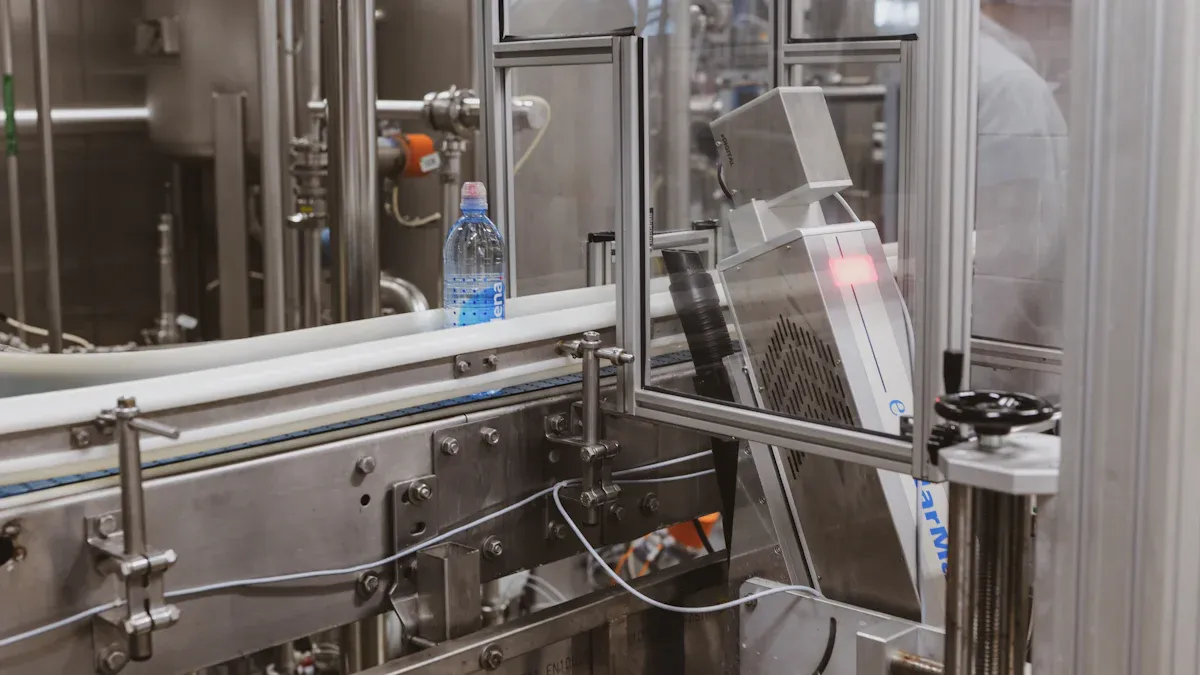
This step-by-step guide helps you learn how to use the automatic pet blow molding machine. You will see how each part of the bottle blowing machine works together. You will also learn how to use the touch screen and advanced heating oven on the HUILI machine. Follow each step to make sure you get safe, high-quality bottles every time.
Start by turning on the main power switch of the bottle blowing machine. The touch screen lights up and shows the main menu. You should check the system for any warning messages. Look at the display to see if all main components of bottle blowing machine are ready. These include the heating oven, stretching and blowing unit, and mold clamping unit. If you see any errors, stop and fix them before you continue.
Tip: Always check the emergency stop button and safety doors before you start the machine.
Next, use the touch screen to set the right parameters for your bottle blowing process. You can choose the bottle size, shape, and thickness. The HUILI machine lets you change these settings easily. Set the temperature for the heating oven. Make sure the preform heating is correct for your PET preforms. Adjust the air pressure and time for the stretching and blowing unit. Set the mold clamping unit to match your mold size. Double-check all settings before you move to the next step.
Now, load the PET preforms into the bottle blowing machine. Place the preforms on the feeding tray or conveyor. The automatic bottle blowing machine moves the preforms into the heating oven. Make sure the preforms are clean and free from dust. This helps you get clear, strong bottles. If you are operating a semi-automatic pet bottle blowing machine, you may need to load the preforms by hand.
The heating oven warms up the PET preforms. The preform heating step is very important. The heating oven uses infrared lamps to heat the preforms evenly. When the preforms reach the right temperature, the stretching and blowing unit moves them into the mold. The mold clamping unit closes tightly around the preform. The stretching and blowing unit stretches the preform down and blows high-pressure air inside. This makes the preform take the shape of the mold. The bottle blowing process happens quickly and safely inside the closed mold.
Note: The HUILI machine uses a steady heating oven and a precise stretching and blowing unit to make sure every bottle looks the same.
After bottle blowing, the mold clamping unit keeps the mold closed while the bottle cools. The cooling system makes sure the bottle keeps its shape. When the bottle is cool, the mold clamping unit opens. The stretching and blowing unit pushes the finished bottle out of the mold. The bottle drops onto the conveyor or collection tray. Check the bottles for any defects. If you see any problems, stop the machine and check the settings.
You have now finished the main steps of using the automatic pet blow molding machine. Each part of the bottle blowing machine, from the heating oven to the stretching and blowing unit and mold clamping unit, works together to make strong, clear bottles. Use this step-by-step guide every time you run the pet bottle blow machine to get the best results.
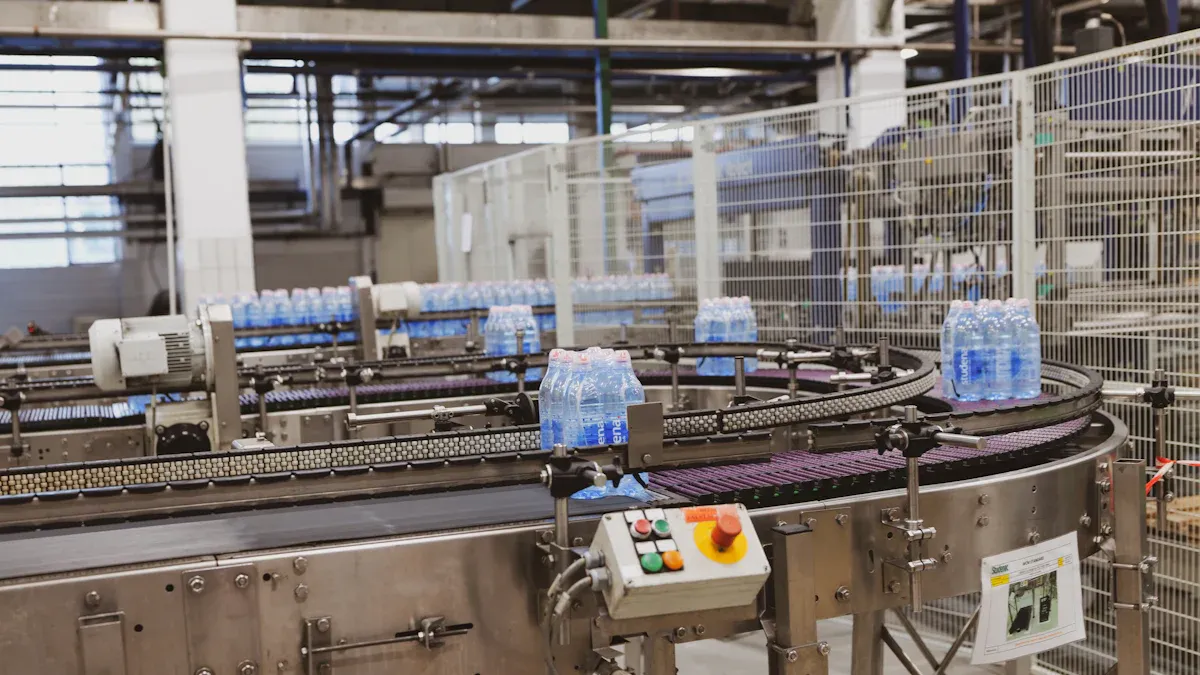
You need to watch the machine as it works. The touch screen shows you real-time data. You can see how many bottles the machine makes each hour. You can also check the temperature, air pressure, and speed. If you see a warning or error, you should stop the machine and fix the problem. This helps you avoid waste and keeps your bottles looking good.
Here are some things you should check during production:
Bottle count and speed
Heating oven temperature
Air pressure levels
Mold closing and opening times
Any alarms or error messages
Tip: Write down any changes you make to the settings. This helps you remember what works best.
You must check the bottles often. Take a bottle from the conveyor and look at it closely. Check if the bottle is clear and has the right shape. Feel the bottle to see if it is strong. Measure the size with a ruler or caliper. If you find a problem, you should adjust the machine settings.
You can use this simple table to help with your checks:
Check Item | What to Look For | Action if Problem Found |
|---|---|---|
Clarity | No haze or spots | Clean preforms, check oven |
Shape | Matches mold | Adjust air or mold settings |
Strength | Feels firm, not soft | Check cooling time |
Size | Correct height/width | Adjust stretching/blowing |
You follow these steps as part of the workflow of the automatic pet blow molding machine. This keeps your bottles high quality and your production smooth.
You need to turn off the bottle blowing machine the right way. First, press the shutdown button on the touch screen to stop the heating oven. Wait until the heating oven cools down. Then, turn off the main power switch. Make sure the air and water supplies are off. Never leave the automatic bottle blowing machine running alone. If you use a pet blow molding machine or a semi-automatic pet bottle blowing machine, do these same steps. This keeps everyone safe.
Tip: Wait for the heating oven to cool before cleaning or touching any parts.
Clean the bottle blowing machine every day after use. Take out any PET preforms or bottles left inside. Use a dry cloth to wipe the heating oven. Do not use water near the heating oven. Clean the mold area and the conveyor belt. Look for dust or small plastic pieces. Keeping the bottle blowing machine clean helps stop contamination. Clean tools and work areas help you make better bottles. Good cleaning makes your work easier.
Take out all PET preforms and bottles.
Wipe the heating oven and mold area.
Sweep the floor around the bottle blowing machine.
Write down important details after each bottle production run. Record how many bottles you made and what settings you used. Write down any problems you saw. You can use a notebook or a computer for this. This helps you keep track of your bottle production. If you see the same problem again, you can fix it faster. Good records help you get better at using the bottle blowing machine.
Data to Record | Why It Matters |
|---|---|
Bottle count | Shows how many bottles you made |
Machine settings | Helps you repeat good results |
Heating oven status | Checks if heating is even |
Cleaning time | Keeps bottle blowing smooth |
Any errors | Helps you fix problems fast |
Note: Writing down data helps you make better bottles and use the bottle blowing machine with confidence.
You may see some common problems when you use the bottle blowing machine. Bottles can look cloudy, have dents, or show uneven shapes. These defects can affect the quality of your bottles. Here is a simple table to help you find and fix these issues:
Problem | What You See | What You Can Do |
|---|---|---|
Cloudy Bottle | Bottle looks hazy | Clean preforms, check oven heat |
Dented Bottle | Bottle has dents | Adjust air pressure, check mold |
Uneven Shape | Bottle not uniform | Check heating, adjust stretch |
Tip: Always check the bottle blowing machine settings before you start a new batch.
The bottle blowing machine uses alarms to warn you about problems. You might hear a beep or see a message on the touch screen. Some common alarms include overheating, low air pressure, or door not closed. When you see an alarm, stop the automatic bottle blowing machine and read the message. Fix the problem before you continue.
Overheating: Let the machine cool down.
Low Air Pressure: Check the air supply.
Door Not Closed: Close all safety doors.
Note: The pet blow molding machine will not run if safety doors are open.
Material jams can stop your bottle blowing process. You may see PET preforms stuck in the feeding tray or inside the heating oven. If this happens, turn off the bottle blowing machine. Remove the jammed preforms with care. Check for broken pieces before you restart. Keeping the area clean helps prevent jams.
Always load preforms evenly.
Clean the feeding tray often.
Watch for warning signs on the touch screen.
Remember: Quick action keeps your pet bottle blow machine running smoothly.
You should check your bottle blowing machine every day before you start work. Look at the main parts, like the heating oven, mold area, and conveyor. Make sure nothing is loose or broken. Listen for strange sounds when the bottle blowing machine runs. If you hear anything unusual, stop and look for the cause. Check the touch screen for warning messages. Clean the heating oven to keep it working well. A clean bottle blowing machine helps you make better bottles and keeps your work safe.
Tip: Write down what you find during your inspection. This helps you remember what to fix next time.
You need to keep the moving parts of the bottle blowing machine working smoothly. Use the right oil or grease for the guide rails, chains, and gears. Lubricate these parts on a regular schedule. If you see any worn or damaged parts, replace them right away. This includes belts, air filters, and sensors. A well-oiled bottle blowing machine runs faster and lasts longer. Always turn off the bottle blowing machine before you do any maintenance. Check the heating oven for dust or plastic pieces that could cause problems.
Here is a simple checklist for you:
Lubricate guide rails and chains
Replace worn belts and filters
Clean sensors and the heating oven
Check for leaks or loose bolts
Keep your work area clean and safe. Remove any tools or bottles from around the bottle blowing machine. Sweep the floor to prevent slips and falls. Make sure the emergency stop button is easy to reach. Do not block the safety doors of the bottle blowing machine. Store cleaning supplies and spare parts in a safe place. A tidy area helps you avoid accidents and keeps the bottle blowing machine running well.
Remember: A safe workspace means fewer problems and better bottles.
You can get safe and good results if you follow the steps. Take care of your bottle blowing machine often to keep it working well. Fix problems quickly so your bottle blowing machine does not stop. Use the special features on your bottle blowing machine to do better work. Always look for problems and fix them right away. Read the manual to learn more about your bottle blowing machine. Your pet bottle blow machine helps you make great bottles every day.
You should clean the machine every day after use. This keeps your bottles free from dust and helps the machine last longer.
Try restarting the machine. If the screen still does not work, check the power supply. Contact a technician if the problem continues.
Yes, you can. The HUILI machine lets you use different molds. You can make bottles in many shapes and sizes.
Safety glasses
Gloves
Ear protection
These items protect you from heat, noise, and moving parts.


