
Views: 0 Author: Site Editor Publish Time: 2026-05-18 Origin: Site


Acquiring an industrial blow molding system represents a high-stakes capital investment. Technical precision dictates your profit margins. It also ensures strict compliance. You produce 50L to 1000L industrial drums, IBCs, and chemical containers. This scale demands stringent quality control. Flawless production prevents catastrophic failures during hazardous transport. We provide plant managers and B2B investors a clear evaluation framework. You can accurately assess machinery based on compliance standards and hardware reliability. We also help you analyze production efficiency accurately. Upgrading your equipment secures long-term market dominance. Transporting hazardous liquids leaves zero margin for error. A compromised container causes massive financial and legal liabilities. Therefore, your machinery must perform exceptionally every single cycle. We guide you through crucial performance metrics. You will learn how to optimize wall thickness control. We explore multi-layer co-extrusion benefits in detail. Finally, you will understand drive system upgrades. Integrating the right extrusion blow machine for drum production secures your success. Robust industrial blow molding operations require serious scrutiny.
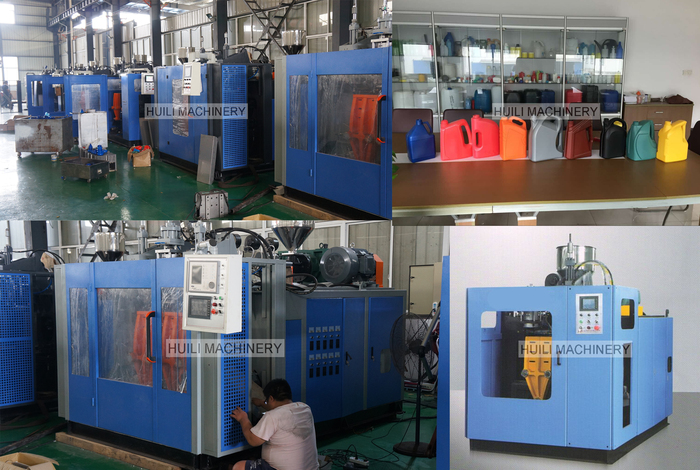
Compliance First: Meeting UN testing standards for chemical drums dictates machine requirements, specifically the need for precise radial and axial parison control.
Multi-Layer Economics: Co-extrusion technology (3-layer or more) radically shifts ROI by allowing up to 60-70% recycled HDPE in the core layer without compromising structural integrity.
OpEx Trumps CapEx: Energy consumption and cycle time (e.g., 200L drums in 3 minutes) typically outpace the initial machine investment over a 3-to-5 year operating lifecycle.
Chemical transport packaging must meet rigid global safety standards. Navigating UN certification requirements remains your top priority. You must manufacture containers capable of extreme physical abuse. Hazardous chemicals demand reliable, heavy-duty packaging solutions. We focus on specific end-product requirements. Drum blow molding systems must deliver repeatable, certifiable quality.
UN Certification Test | End-Product Requirement | Machinery Capability Needed |
|---|---|---|
Drop Resistance | Survive designated height drops at -18°C without rupturing. | Precise corner wall thickness optimization. |
Hydrostatic Pressure | Withstand internal vapor pressure changes during transport. | Uniform material density and flawless weld lines. |
Leak-Proof Testing | Hold liquid and air pressure reliably over time. | Accurate neck calibration and clean mold closures. |
Stacking Strength | Support heavy top-loads over extended warehouse durations. | Even vertical weight distribution and optimal cooling. |
Resin selection drastically affects your machine setup. Processing high-molecular-weight high-density polyethylene (HMW-HDPE) is absolutely mandatory. HMW-HDPE features long polymer chains. They provide superior impact strength. They also resist environmental stress cracking. Your extruders must melt this tough material evenly. UV-resistant additives further complicate the extrusion process. The machine must mix these additives seamlessly into the melt stream.
Wall thickness control dictates container survival. Advanced wall-thickness systems are non-negotiable. Many top manufacturers integrate 100-point Moog controllers. These controllers adjust the die gap continuously during extrusion. They vary the plastic tube thickness from top to bottom. This prevents overly thick bottoms. It also reinforces weak container corners. Eliminating stress concentrations helps your drums pass UN drop tests consistently.
Best Practice: Always calibrate your parison programmer daily. Minor temperature fluctuations alter resin flow dynamics. Regular calibration prevents unexpected thin spots in heavy-duty drums.
Hardware configuration determines your operational limits. Evaluating a large container blow machine requires analyzing key sub-systems. Extrusion techniques vary significantly based on container size. Accumulator die heads remain essential for heavy-duty production. They store a large volume of molten resin. A hydraulic ram then pushes the resin out rapidly. This rapid shot prevents premature parison sagging. Continuous extrusion works fine for lighter bottles. However, large heavy parts demand accumulator technology. Relying on continuous heads for 200L drums is a frequent mistake.
Multi-layer co-extrusion transforms production economics. Implementing a 3-layer system offers immense business advantages. We see massive material savings here.
Inner Layer: Uses pure virgin HDPE. It provides chemical safety and regulatory compliance.
Middle Layer: Incorporates recycled regrind material. It heavily reduces raw material purchasing requirements.
Outer Layer: Contains colorants and UV-blocking additives. It ensures aesthetic appeal and weather resistance.
Drive systems influence both power usage and maintenance schedules. Hydraulic systems offer immense clamping force. They are highly reliable for massive molds. However, servo-hydraulic and all-electric setups dominate modern blow molding for drums. Servo-driven pumps only run when movement is required. This achieves up to 30-40% energy savings. It keeps oil temperatures significantly lower. Cooler oil extends hydraulic seal life drastically. All-electric systems eliminate oil entirely. They fit perfectly into strict cleanroom environments.
Machine acquisition involves evaluating varying capacity tiers. Standard single-station setups handle 50L to 120L volumes efficiently. They suit regional packaging suppliers perfectly. Heavy-duty accumulator series tackle massive tasks. These include 200L L-ring drums and 1000L IBC tanks. Multi-layer IBC machines require substantial upfront capital. Component sourcing heavily influences machine longevity. European PLC systems and Japanese hydraulics increase initial pricing. However, they drastically reduce unexpected downtime.
We must analyze unit production variables closely. A standard 200L drum requires 8 to 12 kilograms of HDPE. Wasting material directly destroys profitability. Efficient machines optimize weight distribution perfectly. Energy consumption presents another major operational variable. Modern ceramic heaters retain thermal energy efficiently. Variable-frequency drives (VFDs) reduce per-piece kilowatt usage. Replacing outdated aluminum heaters saves substantial electrical power annually.
Cycle time modeling projects your actual revenue potential. We frame production success around reliable output cadence. Industry baselines provide clear performance expectations. A properly tuned machine produces forty to fifty 100L drums hourly. Specific multi-layer IBC machines execute 70-second cycles. You must project your annual output based on these realistic metrics. Consistent production speed ensures faster capital recovery.
Typical Production Cadence Chart | |||
Container Type | Volume Capacity | Average Cycle Time | Estimated Hourly Output |
|---|---|---|---|
Standard Chemical Drum | 50L - 120L | 60 - 80 seconds | 45 - 60 pieces |
Heavy-Duty L-Ring Drum | 200L | 150 - 180 seconds | 20 - 24 pieces |
IBC Inner Tank | 1000L | 70 - 100 seconds | 35 - 50 pieces |
Real-world manufacturing presents continuous operational hurdles. Common molding failures disrupt production schedules frequently. Wall thickness inconsistencies plague inexperienced operators. Sensor calibration drift causes uneven parison drops. Moisture in the raw resin creates surface defects. Material degradation happens when temperature controls fail. Overheated resin loses structural integrity rapidly. Weld-line weakness occurs if mold pinch-offs wear down. Weak weld lines fail UN drop tests instantly.
Cooling and ejection optimization minimizes daily scrap rates. Thick plastic parts retain massive heat loads. Programmable cooling sequences remove this heat efficiently. You circulate chilled water through intricate mold channels. Precise mold shifting prevents scratching during extraction. Jerky machine movements warp warm plastic containers. Smooth linear guides ensure perfect part ejection. Optimizing these sequences keeps your drum making machine highly productive.
Common Mistake: Ignoring chilled water flow rates. Poor water flow extends cooling time unnecessarily. It limits your maximum hourly output and causes dimensional warping upon ejection.
Preventative maintenance prevents catastrophic unplanned downtime. You must outline strict weekly maintenance protocols. Die-head cleaning removes burnt resin buildup. Hydraulic fluid filtering protects expensive proportional valves. O-ring inspection prevents messy oil leaks. Lubricating toggle pins ensures smooth clamping actions. Neglecting these basic tasks degrades machine precision quickly.
Vendor selection dictates your long-term operational stability. Component supply chain verification remains a vital step. We advise buyers to audit the origin of critical machine components. Ensure the manufacturer uses globally recognized brands. Siemens or GEFRAN PLCs guarantee reliable logic control. Yuken hydraulic valves provide smooth mechanical actuation. Schneider electrics offer safe power distribution. Global replacement availability prevents extended production halts. You can source spare parts locally anywhere.
Factory Acceptance Testing (FAT) proves machine capabilities beforehand. You must demand rigorous validation before authorizing shipment. We recommend testing under strict parameters.
Mold Verification: Use your exact production molds during the test.
Resin Matching: Supply your specific HMW-HDPE grade.
Cycle Guarantee: Document the cycle times achieved.
Weight Check: Confirm the target drum weight is maintained repeatedly.
Installation and After-Sales Service Level Agreements (SLAs) guarantee a smooth launch. Assess the vendor’s field service capabilities thoroughly. They must deploy engineers for on-site installation. Initial week calibration requires expert supervision. Training your local operators prevents early mechanical damage. Long-term parts warranties demonstrate vendor confidence. Comprehensive support transforms a complex installation into a seamless upgrade.
Sourcing an industrial container system requires strategic technical evaluation. It is never a simple price-comparison exercise. You must scrutinize material efficiency capabilities thoroughly. Evaluating compliance features ensures your products pass strict global testing. Assessing power consumption metrics helps optimize daily factory operations. Selecting a large blow machine shapes your manufacturing future.
Audit your current per-piece energy usage now. Evaluate your raw material waste percentages accurately. Consult an engineering team to discuss equipment upgrades. Upgrading to a multi-layer, servo-driven machine elevates your production standards. Take action today to secure a more resilient, efficient manufacturing floor.
A: A standard 200L chemical drum requires approximately 150 to 180 seconds per cycle. This translates to an output of 20 to 24 pieces per hour. Cycle times depend heavily on container wall thickness, ambient facility temperature, and the efficiency of your internal mold cooling channels.
A: Heavy parts require massive amounts of molten plastic. An accumulator head stores this resin and forces it out rapidly using a hydraulic ram. This quick extrusion prevents the heavy parison from sagging under its own weight, ensuring uniform thickness before the mold closes.
A: A 3-layer setup allows you to hide regrind or recycled resin in the middle layer. Manufacturers typically allocate 60% to 70% of the total container weight to this middle layer. This drastically reduces the consumption of expensive virgin HDPE while maintaining UN-certified structural integrity.
A: Yes, versatile machines accommodate both designs. However, it requires significant mold-shifting flexibility and adjustable clamping frames. You must swap the blow pin assemblies and recalibrate the parison programmer, as open-top containers feature entirely different neck geometries and weight distributions.


